
What Is an Aviation Plug / Circular Connector? And What Are Its Key Components?
In industrial automation, rail transit, and renewable energy equipment, one type of connector stands out—sleek and robust, secured by threaded locking, it operates reliably at extreme temperatures from -40°C to +85°C, and maintains stable transmission even in dusty or water-immersed environments. Known as the aviation plug , its technical name is circular connector .
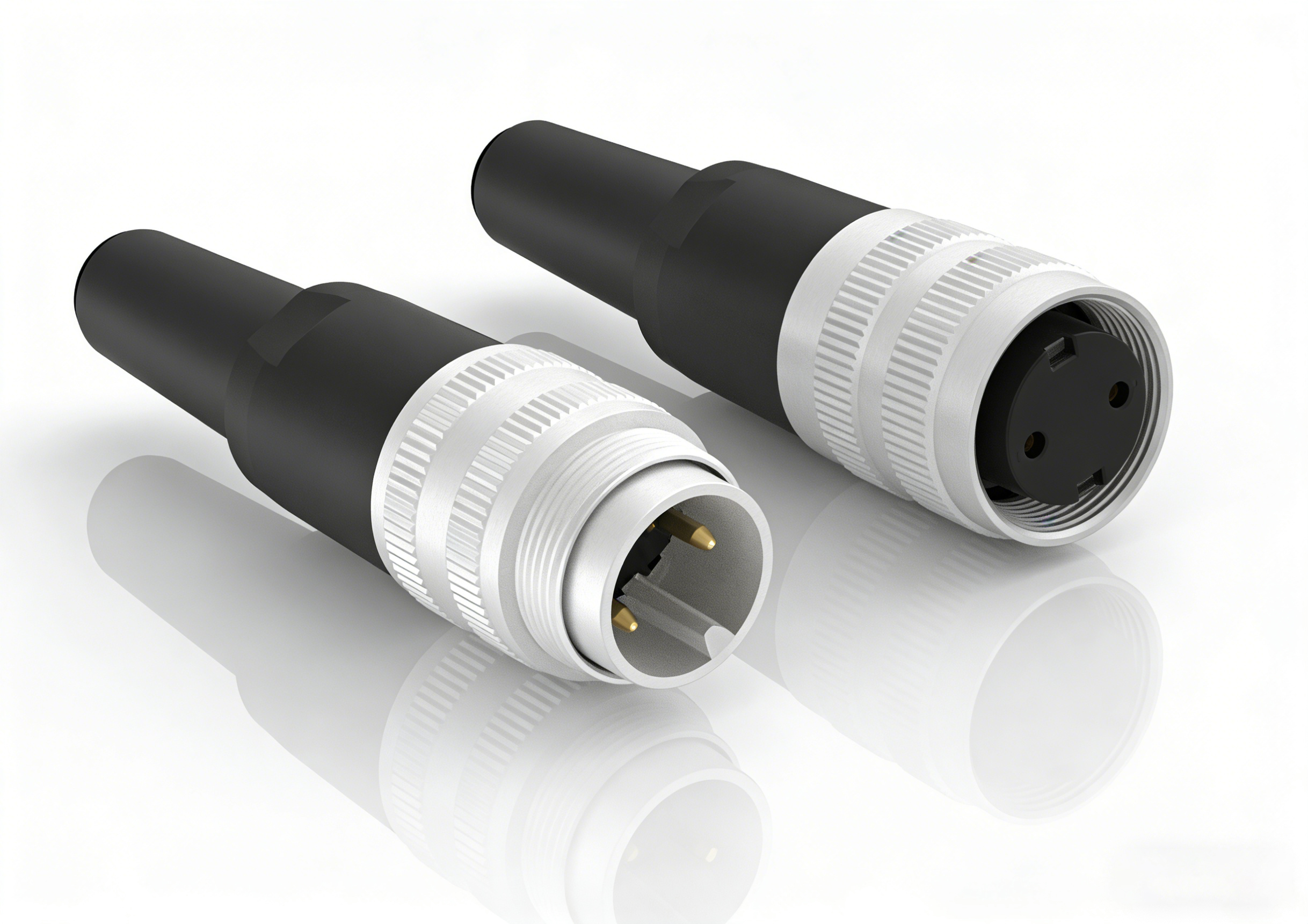
1. What Is an Aviation Plug?
An aviation plug is an electrical connector built on a cylindrical shell , designed for reliable power, signal, and data transmission between devices. The term “aviation” traces back to the 1930s, when aircraft demanded connectors capable of withstanding severe vibration, extreme temperatures, and frequent mating cycles. A threaded-lock, multi-pin circular connector was developed specifically for these needs and deployed at scale in the aviation industry—and the name has stuck ever since. Today it serves far beyond aviation, embedded across industrial automation, renewable energy, rail transit, and robotics—at its core, it is a general-purpose industrial connector that inherits aviation-grade reliability .
2. Key Components
A complete aviation plug can be broken down into six functional modules . Taking the M16 series as an example:
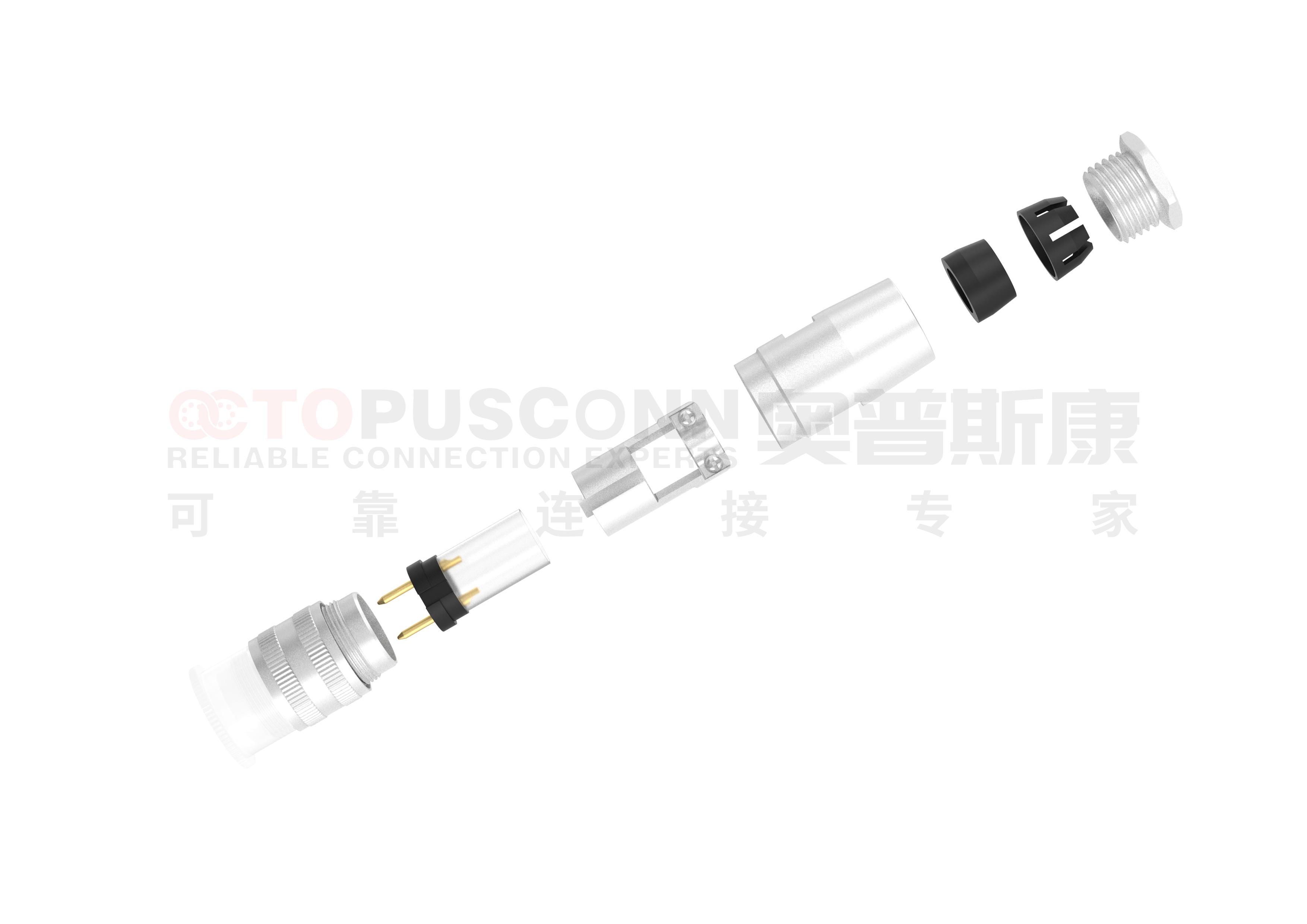
3. Common Mounting Styles
4. Key Specifications at a Glance
Core parameters to focus on when selecting a connector (using the M16 series as reference):
| Parameter | Typical Value | Remarks |
|---|---|---|
| Thread Specification | M16×1.5 | 16 mm metric thread |
| Pin Count | 2 – 24 PIN | Flexible configuration by signal/power channel count |
| Ingress Protection | IP67 | Total dust-tight + short-term water immersion |
| Operating Temperature | -40 – +85°C | Covers the vast majority of industrial and outdoor scenarios |
| Contact Resistance / Rated Current | ≤5 mΩ / 7 A | Low loss + high current-carrying capacity |
| Mating Durability | ≥500 cycles | No significant performance degradation under proper operation |
| Housing Material | Nickel-plated brass / die-cast zinc alloy | High strength, corrosion-resistant, EMI shielding |
| Certifications | FCC, UL 2238 | International compliance certifications |
5. Typical Application Scenarios
6. Summary
The core logic of an aviation plug is straightforward: cylindrical shell + threaded locking + multi-pin contacts + IP67 sealing . These six components work together to form an electrical interconnection system capable of withstanding the harshest environments. When selecting a connector, focus on four dimensions— thread specification, pin count, ingress protection rating, and temperature range —and you will hit the target every time.
Technical data in this article is sourced from publicly available information on the Octopusconn official website and is for reference only. Please refer to the product datasheet for final selection.
 telephone
 Contact US